When a disaster strikes, the world’s attention is captured by what is immediately, shockingly visible. We see the satellite images of flattened neighbourhoods, the drone footage of entire landscapes submerged in water, the gut-wrenching photographs of homes reduced to rubble. The physical destruction is immense, undeniable, and it rightly prompts an outpouring of global support to rebuild what has been broken. But when the floodwaters recede and the last of the rubble is cleared, another, more silent and persistent kind of wreckage remains: the unseen scars etched into the minds and hearts of the survivors.
This is the second disaster—the quiet, internal crisis of trauma, grief, and anxiety that can linger for years, long after the physical reconstruction is complete. At the Australian Relief Organisation, we have learned from decades of experience that rebuilding a community is about far more than bricks and mortar. It’s about healing the whole person. True, sustainable recovery is impossible if we ignore the invisible wounds. Addressing mental health is not a luxury or an afterthought in humanitarian aid; it is a fundamental, non-negotiable component of helping people truly rebuild their lives.

Understanding the Landscape of Trauma
To effectively support a community’s mental health, we must first understand the profound and varied ways a crisis can impact the human psyche. It is a deeply personal experience, yet it unfolds on a collective scale, leaving no one untouched.
? What is Post-Crisis Trauma?
Trauma in the aftermath of a disaster is more than just sadness or stress. It is a profound psychological injury caused by experiencing or witnessing terrifying and life-threatening events. Imagine it as a series of mental aftershocks that continue to rattle a person’s sense of safety long after the initial earthquake has passed. For survivors, the world can suddenly feel like an unpredictable and dangerous place.
This can manifest in many ways:
Intrusive Memories: Vivid flashbacks or nightmares that force a person to relive the event.
Hypervigilance: A state of constant, high alert, where every loud noise or sudden movement feels like a new threat.
Anxiety and Fear: A persistent sense of dread about the future and the safety of one’s family.
Profound Grief: The overwhelming pain of losing loved ones, a home, a livelihood, and a way of life all at once.
Loss of Hope: A feeling of despair that the future is bleak and that life may never return to normal.
The Diverse Faces of Trauma in a Community
Trauma does not affect everyone in the same way. In a crisis-stricken community, different groups face unique psychological challenges.
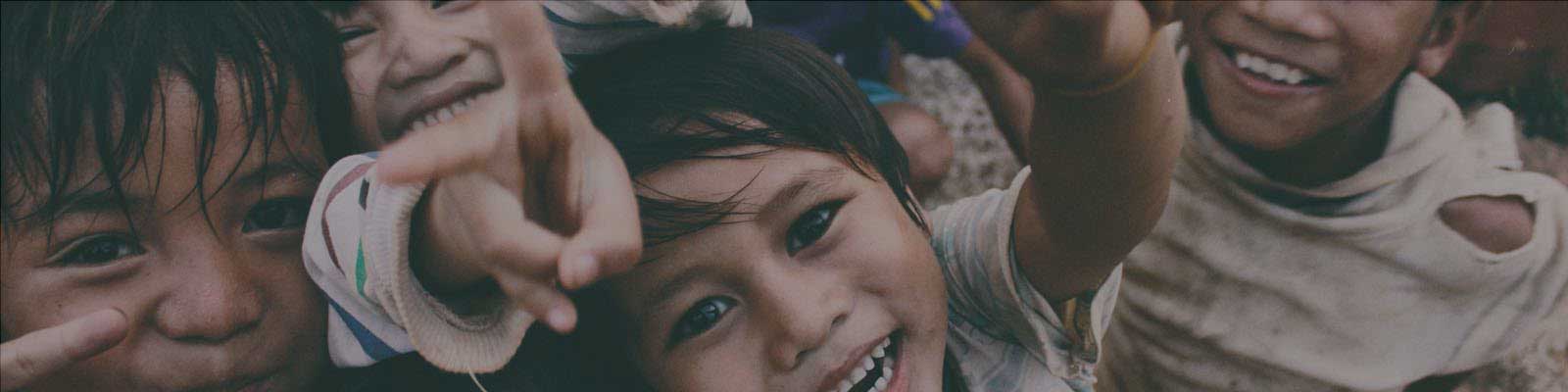
For Children, the World is Broken: Children are the most vulnerable. Their understanding of the world as a safe and predictable place is shattered. They may not have the words to express their fear and confusion, so their trauma often emerges through their behaviour. They might regress to bedwetting, stop speaking, become unusually clingy, or express their anxiety through aggressive play. Their education is disrupted, their routines are gone, and the reassuring presence of calm adults may be absent.
For Adults, the Burdens are Immense: Parents and caregivers face the monumental task of trying to create stability for their children while grappling with their own devastation. They carry the immense pressure of finding food and shelter, mourning their own losses, and worrying about an uncertain future, all while trying to project an image of strength for their families.
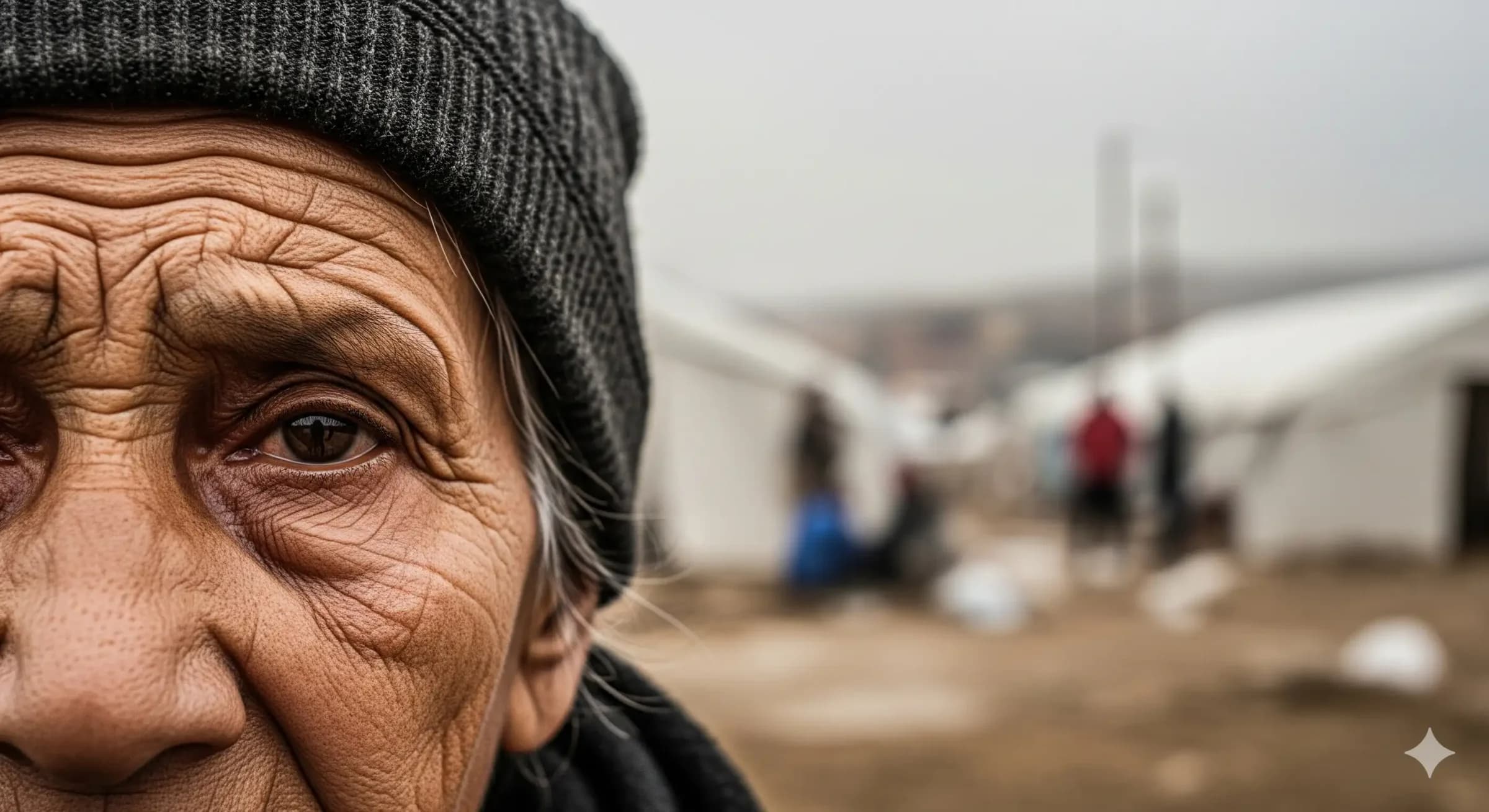
For the Elderly, Isolation is a Threat: Older members of the community, who may have limited mobility and pre-existing health conditions, are often the most isolated after a disaster. They may have lost their life’s savings, their homes, and their social networks. This can lead to profound loneliness, depression, and a sense of being forgotten in the chaos of the response.
The Long Shadow: Why Untreated Trauma is a Barrier to Recovery
These unseen scars are not just a secondary, "softer" issue to be dealt with later. Untreated trauma is a direct and powerful barrier to every other aspect of physical recovery.
Think about it: A father suffering from debilitating flashbacks will struggle to focus on rebuilding his family’s home. A mother paralyzed by anxiety will find it difficult to engage in livelihood programs to support her children. An entire community locked in a state of collective grief and mistrust will find it impossible to come together to make the crucial decisions needed for their shared future. The motivation, focus, and social cohesion required for reconstruction are all eroded by the weight of untreated psychological wounds. If the people are broken, the community cannot be mended.
ARO's Approach: Building "Psychological First Aid" into Every Response
Recognising this reality, ARO integrates mental health and psychosocial support (MHPSS) into its emergency response from the very beginning. Our approach is not about clinical therapy in a traditional sense; it’s about creating a healing environment and providing practical, compassionate support that meets people where they are.
? It Starts with the Basics: Safety, Security, and Stability
The first and most important step in psychological healing is restoring a sense of safety. Before any emotional support can be effective, basic survival needs must be met. This is why our work is holistic. Providing:
A secure tent or temporary shelter,
A warm meal,
Blankets against the cold,
And, crucially, access to clean water…
...is the first and most fundamental form of mental health care. When a family has a safe place to sleep and knows where their next meal is coming from, their acute stress levels begin to decrease. Restoring predictability in the most basic areas of life is a powerful antidote to the chaos and uncertainty of a disaster. Every act of providing physical comfort sends a clear message: "You are not alone. You are cared for. You are safe."
? Creating Sanctuaries: The Power of Child-Friendly Spaces
One of the most effective and visible forms of psychosocial support is the establishment of "Child-Friendly Spaces." These are dedicated, safe, and supervised locations set up in the heart of a crisis zone where children can simply be children again.
These spaces are not formal schools or clinics. They are sanctuaries filled with games, art supplies, and structured recreational activities. Here, children can:
Play and Laugh: Play is the natural language of children and one of the most powerful tools for healing. It allows them to process their experiences, release pent-up energy, and reconnect with a sense of joy.
Express Themselves: Through drawing, storytelling, and drama, children can express complex emotions like fear, anger, and grief that they cannot articulate verbally. A drawing of a shaking house or a big storm can be a child's way of telling their story.
Connect with Peers: Interacting with other children helps them realise they are not alone in their experience, reducing feelings of isolation.
Re-establish Routine: The simple act of coming to the same place at the same time each day restores a desperately needed sense of routine and predictability.
These spaces are staffed by trained local facilitators who can identify children showing signs of severe distress and refer them for more specialised support. For the vast majority, however, the simple, therapeutic power of play in a safe environment is a giant leap on the road to recovery.
? The Classroom as a Haven: The Role of Education in Healing
Beyond Child-Friendly Spaces, getting children back into a formal or informal school setting is one of the single most impactful mental health interventions. A classroom provides:
Normalcy: It is a powerful symbol that life is moving forward and that the future still holds promise.
Stability and Routine: It structures a child's day and provides a consistent, predictable environment.
A Safe Space: A school can be a haven from the stresses of a temporary camp or a damaged home.
Hope: Focusing on learning is inherently a future-oriented activity, helping to shift a child’s focus from the trauma of the past to the possibilities of the future.
This is why ARO’s commitment to education, through initiatives like building secure dormitories in Pakistan and Cambodia, is also a long-term investment in community mental health. These projects create stable, nurturing environments where students can heal and learn without the constant stress of insecure living conditions.

? Empowering Community Healers: Training and Local Partnerships
The most effective and sustainable mental health support comes not from outsiders, but from within the community itself. ARO’s model focuses on empowering local people to become agents of healing. We work with our local partners to train teachers, community leaders, and volunteers in the principles of Psychological First Aid (PFA).
PFA is not therapy. It is a set of simple, practical skills for responding to people in distress in a compassionate and supportive way. Trainees learn to:
Look: To assess a situation and identify those in need of immediate support.
Listen: To approach people with empathy, listen to their stories without judgment, and help them articulate their own needs.
Link: To connect people with practical support (like food or shelter), with their loved ones, and with information and services.
This approach builds a network of "community healers" who understand the local culture and context. It is a dignified and empowering model that builds local capacity and ensures that psychosocial support is woven into the very fabric of the recovery effort.
The Interconnectedness of Healing: Physical and Mental Health are One
A holistic approach reveals that almost every aspect of physical aid has a profound psychological benefit. The body and mind are not separate; healing one helps to heal the other.
? How a Water Well Can Heal the Mind
Consider the impact of a charity clean water project. On the surface, its benefits are physical: preventing disease and improving hygiene. But the mental health benefits are equally powerful. A new well:
Alleviates Daily Stress: It ends the long, arduous, and often dangerous daily journey for women and girls to fetch water, freeing up hours of their time and reducing a significant source of physical and mental strain.
Restores Dignity: Access to clean water for drinking, cooking, and washing restores a fundamental sense of dignity and normalcy.
Fosters Community Cohesion: The process of building and managing a well is a positive, collaborative project. It brings the community together to work toward a shared, life-affirming goal, which is a powerful act of collective healing.
?️ Restoring Sight, Restoring Hope
Similarly, ARO’s work to provide a cure for cataracts is a powerful mental health intervention. For an elder who has lost their sight—a disability often compounded by the chaos and isolation of a post-disaster environment—the world can become a dark and frightening place. Restoring their vision does more than just help them see; it reconnects them to their families and their community. It restores their independence, combats depression, and gives them back a sense of purpose and participation in life. It is a direct injection of hope.
? Healing in Protracted Crises: The Case of Gaza
In places that endure ongoing, cyclical crises, trauma is not a single event but a chronic condition woven into the fabric of daily life. The work of healing Gaza is a profound example of long-term psychosocial support in its most challenging form. Here, the "unseen scars" are layered, generation upon generation.
Healing in this context means a sustained commitment to creating pockets of safety, normalcy, and hope. It means supporting community centres that offer activities for youth, providing educational opportunities that open doors to the future, and implementing livelihood projects that give people a sense of purpose and agency in an environment where they often feel powerless. It’s about building resilience, not as a shield against a single storm, but as a way of navigating a permanent climate of adversity.
Tending to the Wounds Within
The true measure of a successful disaster response is not how quickly the buildings are rebuilt, but how completely the people have healed. The unseen scars of trauma, if left untended, can fester for generations, undermining the very foundations of a community’s recovery. Tending to these wounds with compassion, skill, and unwavering dedication is one of the most vital responsibilities of humanitarian work.
This quiet, patient, and deeply human work of healing is not always visible in the headlines, but its impact is immeasurable. It is the work of restoring laughter to a child’s life, of easing the burden on a parent’s shoulders, and of replacing despair with a renewed sense of hope. At ARO, we are committed to this holistic vision of recovery—one that honours the whole person and understands that true healing means mending the heart and mind, as well as the home.
? Questions We Get Asked
Q: What is Psychological First Aid (PFA) and who can provide it?
A: PFA is a practical and humane way to support people in distress. It involves offering non-intrusive emotional comfort and practical help. It is not something only professionals can do; ARO trains community volunteers, teachers, and local leaders to provide PFA, making it a sustainable and culturally appropriate form of support.
Q: Why is it so important to get children back into a routine after a disaster?
A: Disasters create chaos and destroy a child's sense of predictability and safety. Re-establishing routines through things like Child-Friendly Spaces or temporary schools provides a framework for their day, gives them a sense of normalcy, and helps them feel safe again, which is essential for psychological recovery.
Q: How do you address mental health in cultures where it might be stigmatized or not openly discussed?
A: This is why our community-led approach is so important. We don't impose Western models of therapy. Instead, we integrate psychosocial support into activities that are culturally familiar and accepted, like play for children, community work projects for adults, or discussion groups led by trusted local elders. The focus is on well-being and community support, rather than clinical labels.
Q: Is mental health support only for the short-term after a crisis?
A: Absolutely not. While Psychological First Aid is crucial in the immediate aftermath, the need for support can last for years. ARO is committed to long-term recovery, which includes continuing to support community-based mental health initiatives, schools, and livelihood programs that contribute to ongoing well-being and resilience.