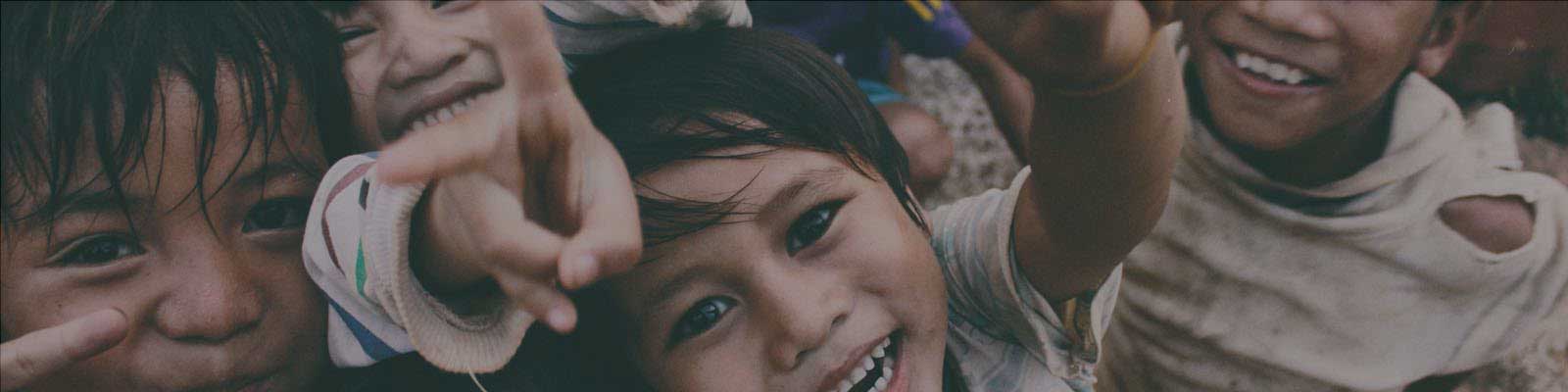
It is one of the most powerful symbols of humanitarian aid: a person in desperate need receiving a meal. A loaf of fresh bread handed to a hungry family in Yemen, a sack of flour delivered to a flood-stricken village in Pakistan, a warm meal served in a refugee camp. These acts are pure, immediate, and profoundly important. They are the first line of defence against starvation and the first message of hope in a time of crisis. They are, without question, life-saving.
But what happens when the meal is finished? What happens tomorrow, and the week after, and the month after that? While emergency food aid is the critical first step on the road to recovery, it is not the destination. A single meal can sustain a life for a day, but a sustainable food system can nourish a community for generations. At the Australian Relief Organisation, we are deeply committed to both. We understand that true Hunger Relief is a journey—one that begins with a life-saving meal but must lead to a future where communities have the power, the knowledge, and the resources to feed themselves. This is the crucial shift from providing food aid to cultivating long-term food security, and it’s a story of empowerment, resilience, and hope.

Part 1: The Lifeline - The Indispensable Role of Emergency Food Aid
Before we can talk about tomorrow, we must first secure today. It is impossible to overstate the importance of direct food distribution in the immediate aftermath of a disaster or in a region plagued by conflict and famine. When supply chains are broken, when farms are destroyed, and when families have lost everything, emergency food aid is the bridge that allows them to cross from a state of acute crisis to one of basic stability.
Projects like ARO’s Yemen Bread Distribution are a perfect example. In a country where millions are on the brink of famine, the daily provision of bread is a literal lifeline. It prevents malnutrition in children, gives parents the energy to care for their families, and provides a small but vital island of predictability in a sea of chaos. Similarly, when we respond to natural disasters, our first priority is to get emergency food packs into the hands of those affected.
However, we also recognize that this model, while essential, has its limitations if relied upon for too long:
Dependency: Protracted aid can inadvertently create a cycle of dependency, eroding a community’s own agricultural traditions and capacity for self-reliance.
Market Disruption: The influx of free food can sometimes disrupt local markets, making it difficult for local farmers to sell their own produce.
Lack of Diversity: Emergency rations, while life-saving, often lack the full range of nutrients needed for long-term health.
This is why our blueprint for Hunger Relief always treats emergency aid as a temporary, foundational measure—a life raft, not a permanent home. It buys precious time and creates the stability needed to begin the real, lasting work of building food security.
Part 2: The Seed of Change - The Principles of True Food Security
What does it actually mean for a community to be "food secure"? The term goes far beyond simply having food available. The Food and Agriculture Organization of the UN defines it as a state where "all people, at all times, have physical and economic access to sufficient, safe, and nutritious food."
At ARO, we break this down into four core principles—the pillars upon which all our sustainable food projects are built:
Availability: The community must be able to produce or procure a sufficient quantity of food. This relates to farming, livestock, and local production.
Access: People must be able to regularly obtain that food. This involves not just physical access (roads, markets) but also economic access (the ability to afford it).
Adequacy (or Utilisation): The food that is available and accessible must be nutritious enough to meet the dietary needs for a healthy life. It's about the quality, not just the quantity, of the food.
Stability: The first three pillars must be reliable over time, not disrupted by seasonal changes, climate shocks, or economic volatility.
Our philosophy is to move from a "handout" to a "hand-up." We aim to empower communities by strengthening each of these four pillars, creating a robust and resilient food system that they own and manage themselves.
Part 3: Cultivating Resilience - ARO's Sustainable Food Projects in Action
Moving from principle to practice requires a multi-faceted approach. There is no single magic bullet for food security. Instead, it’s about implementing a range of interconnected projects that support the entire food journey, from the farm to the family table.
? Empowering the Farmer: Strengthening Availability
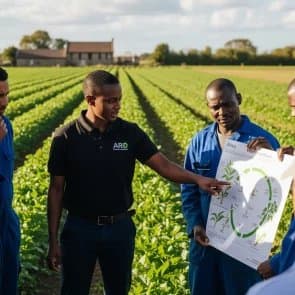
The foundation of any food system is the person who grows the food. Our projects focus on providing local, smallholder farmers with the tools and knowledge they need to increase their yields sustainably.
Climate-Smart Agriculture: We provide farmers with high-quality, drought-resistant seeds for crops that are well-suited to the local climate. This is crucial in an era of increasing climate shocks.
Tools and Training: We distribute essential farming tools and provide training in sustainable agricultural techniques. This can include methods like conservation agriculture, which improves soil health, or simple irrigation techniques that make the most of scarce water resources. A reliable source of clean water is as vital for crops as it is for people, and our charity's clean water projects often have a direct, positive impact on local farming.
Livestock as an Asset: Livestock projects provide families with a multi-purpose asset. A goat or a cow provides nutritious milk, can be used for ploughing, produces manure for fertilizer, and can be bred to create a herd, representing a long-term, self-sustaining source of both food and income.
? Building Bridges to Market: Ensuring Access and Affordability
Growing more food is only half the battle. If farmers can't sell their surplus, or if families can't get to the market to buy it, the system breaks down. This is where supporting the local infrastructure and business ecosystem becomes critical.
Strengthening Local Markets: We support the establishment or revitalisation of local farmers' markets. These spaces provide a direct connection between producers and consumers, ensuring farmers get a fair price and families have access to fresh, local food.
Improving Infrastructure: In some cases, this may involve working with the community on "food-for-work" projects to repair a rural road or a small bridge that connects their village to the nearest town, breaking down the physical barriers to access.
Farming Cooperatives: We help farmers organize into cooperatives. By pooling their resources and produce, they can achieve better prices, purchase supplies in bulk at a discount, and gain more power in the marketplace.
? The Power of the Small Garden: Boosting Nutritional Adequacy
While large farms produce staple crops, a small home or community garden can be a nutritional powerhouse. We actively promote these small-scale, high-impact projects, which are often managed by women.
Kitchen Gardens: We provide seeds and training for families to grow a variety of vegetables in small plots next to their homes. These gardens can add essential vitamins and minerals—like iron, vitamin A, and zinc—to a diet that might otherwise consist mainly of grains.
Community and School Gardens: These projects serve multiple purposes. They provide nutritious food for school feeding programs or community kitchens, and they act as living classrooms where both children and adults can learn about nutrition and sustainable gardening techniques. They also foster social cohesion, bringing people together to work towards a common goal.
? The Qurban Project: A Multi-Faceted Model
ARO’s annual Qurban International Hunger Relief program is a perfect case study of a project that brilliantly combines immediate relief with sustainable, long-term benefits.
Immediate Relief: On the days of Eid, the distribution of fresh, high-quality meat provides a rare and vital source of protein to thousands of the most vulnerable families who may not have it any other time of year.
Economic Stimulus: Crucially, ARO sources the livestock for the Qurban from local, small-scale farmers and herders. This injects a significant amount of cash into the rural economy right when it is needed, supporting local livelihoods and acknowledging the dignity of the farmers. It is a direct investment in the local supply chain.
Strengthening Community Bonds: The act of sharing the Qurban meat reinforces social ties and the community's own traditions of charity and mutual support.

Part 4: The Harvest - The Long-Term Impact of Food Security
When a community achieves food security, the benefits ripple outwards, transforming every aspect of life. It is a foundational achievement that unlocks a cascade of positive developments.
Improved Health: A well-nourished community is a healthy community. Children with access to nutritious food have stronger immune systems, are less likely to suffer from stunting, and can develop to their full physical and cognitive potential. This reduces the burden on local health clinics and aligns with ARO's broader commitment to well-being, which includes everything from providing basic healthcare to life-changing interventions like the cure for cataracts.
Educational Attainment: Food security is a prerequisite for education. A child who is not hungry can concentrate in class. A family that is not mired in a daily struggle for food is more likely to be able to afford to send all their children, including girls, to school.
Economic Stability and Peace: Food security is a cornerstone of a stable and peaceful society. When people can feed their families, they can focus on building businesses, improving their homes, and investing in the future. It reduces competition over scarce resources, a common driver of conflict. In fragile regions that require long-term initiatives like the healing Gaza appeal, establishing local food production and security is a vital step toward building a more stable and self-reliant society.
The journey from a single, life-saving meal to a thriving, food-secure community is a long one. It requires patience, strategic investment, and a deep, respectful partnership with the people we serve. But it is one of the most powerful journeys we can embark on. By moving beyond simply feeding people to empowering them to feed themselves, the Australian Relief Organisation and its supporters are not just alleviating hunger for a day—they are cultivating a harvest of hope, dignity, and resilience that will nourish generations to come.
? Questions We’ve Answered
Q: Why is sustainable agriculture important for long-term food security?
A: Sustainable agriculture focuses on methods that are environmentally sound, economically viable, and socially responsible. It improves soil health, conserves water, and reduces dependency on expensive external inputs like chemical fertilizers, making farming more resilient to climate change and economic shocks.
Q: How do you choose which food security projects to implement in a community?
A: All projects are chosen in close consultation with the community itself. We conduct needs assessments to understand their specific challenges—whether it's poor soil, lack of water, or distance to market—and then co-design projects that provide the most relevant and effective solutions for their unique context.
Q: What role do women play in ARO's food security projects?
A: Women play a central and critical role. They are often the primary managers of household nutrition and small-scale farming. Our projects are designed to empower women by providing them with training, resources, and a leadership role in initiatives like community gardens and farming cooperatives, which have a proven positive impact on the health and economic well-being of the entire family.
Q: Is it better to support emergency food aid or long-term food security projects?
A: Both are absolutely vital, but they serve different purposes. Emergency aid is essential for saving lives in an acute crisis. Long-term food security projects are essential for preventing future crises and building self-sufficiency. A comprehensive approach to hunger relief, like ARO's, strategically invests in both.